


Data residency in Québec
Presaga runs on dedicated Canadian infrastructure hosted in Québec. Your drafts, briefings, and history never leave the country.
Presaga helps teams pressure-test statements, campaigns, and strategic decisions before they go public. Modeled stakeholders react to your draft. You get a decision-ready briefing — likely reactions, narrative risks, weak phrases, and recommended language fixes — to inform the call you and your team will make.
Upload a draft. Presaga models the audiences who would receive it — stakeholders, customers, regulators, journalists, readers — and simulates how they're likely to respond. You get back a structured briefing you can share with a board, a comms lead, or a counsel — long before the real audience ever sees a word.
Briefings surface likely reactions and decision risks. The final judgment stays with your team.

Statement, message, campaign brief, manuscript, or policy proposal.
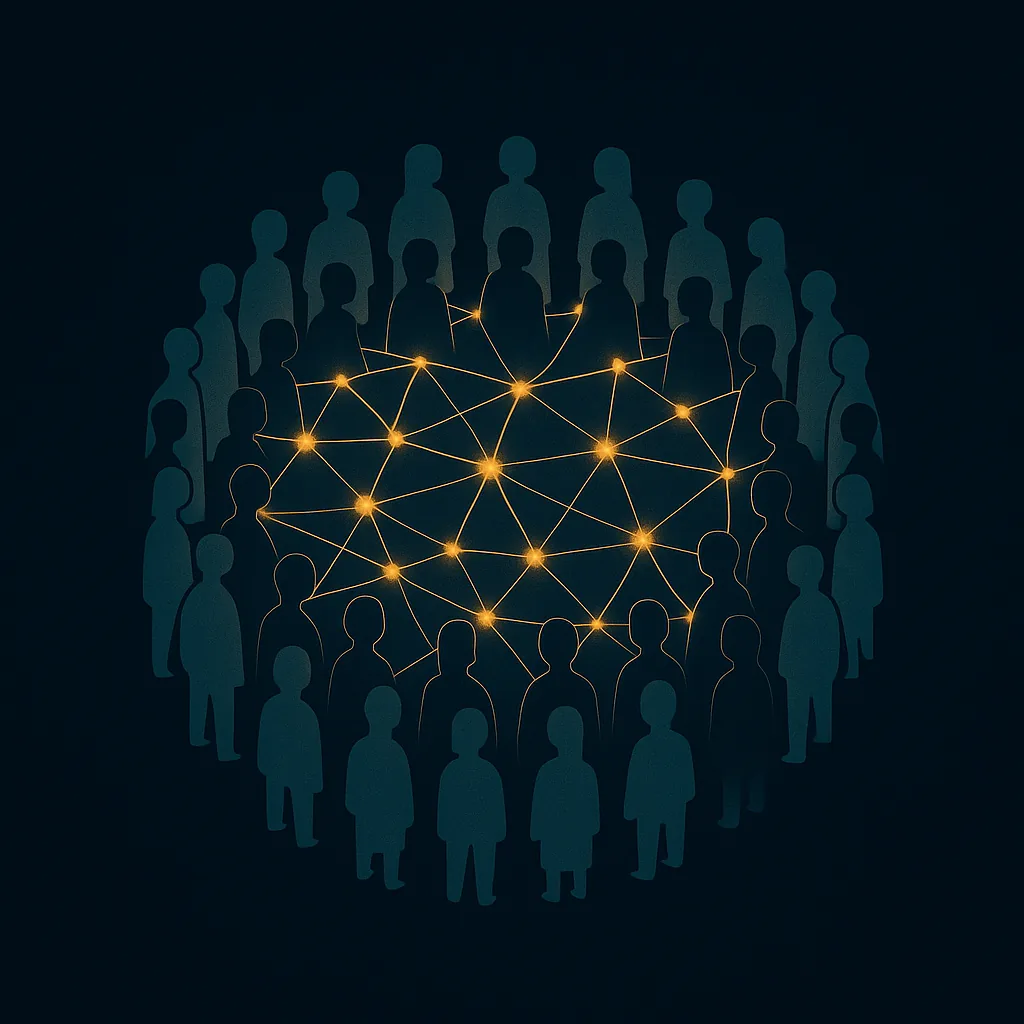
Modeled stakeholder voices push back, agree, share, and form coalitions.

Risks, likely narratives, audience splits, and recommended language.
Your draft — and the model inference behind your briefing — stays inside Canadian borders. That isn't a feature flag. It's the architecture.
Presaga runs on dedicated Canadian infrastructure hosted in Québec. Your drafts, briefings, and history never leave the country.

All language model work runs on Cerebras Montreal — no calls to US-hosted APIs, no transit through foreign jurisdictions.

Our entire stack is open source under AGPL-3.0. Your security team can read the source, reproduce the build, and audit the data flow.
The same decision-intelligence engine — tuned in-product for the work in front of you, from a crisis statement on Friday afternoon to a six-month strategic outlook. One workspace. One credit pool. Separate professional PDF briefings per analysis.

Pressure-test a statement, recall, or apology against modeled stakeholders before it goes public. Surface phrase-level vulnerability, fact mutation under stakeholder pressure, coalition formation, and the counter-narratives most likely to spread — in private.
See the crisis use case →
Pre-flight launches, ad creative, and messaging across modeled audience segments. Surface segment-by-segment reaction, claims that mutate under audience pressure, and message-integrity loss — before a single dollar of media spend.
See the campaign use case →
Stakeholder and narrative outlook from weeks to six months. Describe a topic. Presaga researches it, then surfaces a scenario landscape, leading indicators to watch, and stakeholder trajectories across your chosen horizon.
See the forecasting use case →
Paste a public social thread and forecast where the discourse is heading. Surface argument momentum, coalition formation, and polarization signals — framed around handles and stances visible in the thread, not claims about who said what offline.
See the audience-intelligence use case →
Run a manuscript, screenplay, or arc past modeled readers across genres and tastes. Surfaces directional reactions — pacing, character resonance, dropped threads — to inform your next pass. Exploratory audience reception, not a substitute for editorial review.
See the story use case →
Upload your draft. We extract the entities, claims, and stakeholders into a working knowledge graph.
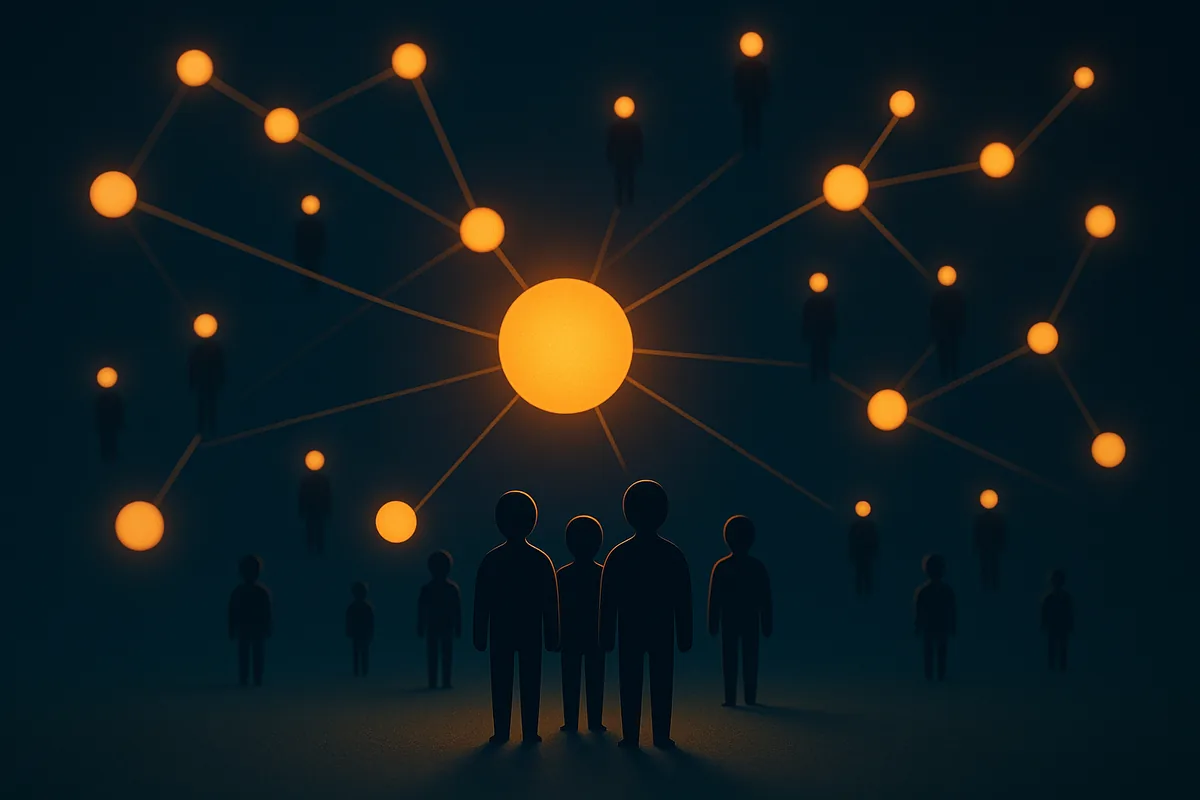
Presaga assembles the stakeholders who would receive your message — each with goals, prior knowledge, and likely posture.
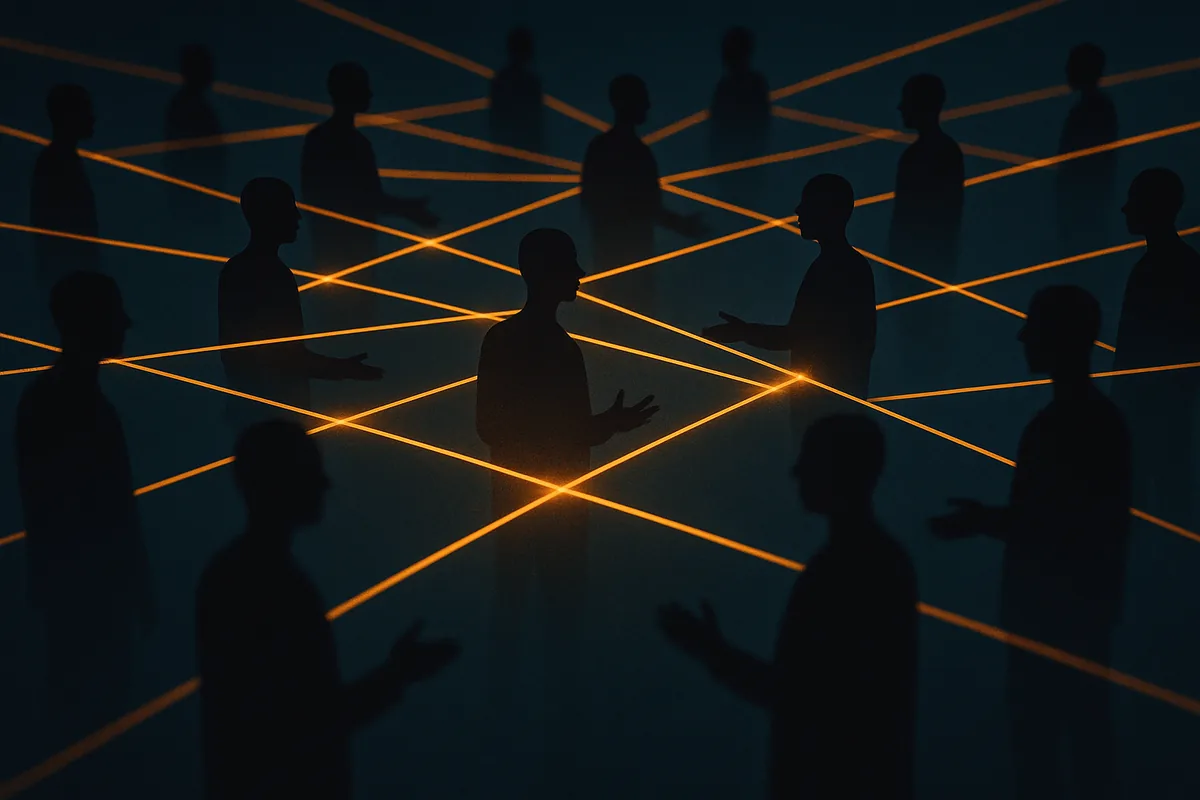
Stakeholders react across multiple rounds. Coalitions form. Sentiment shifts. Counter-narratives surface.

You receive a professional briefing — risks, audience splits, recommended language, and a chat interface to dig deeper.

Pressure-test recall language and executive apologies before publication.

Pre-flight launches and creative across the audience segments you target.
See how a policy or regulatory move may land across stakeholder groups over weeks and months.
Forecast where a public thread is heading before a review or rumour gathers momentum.

Pressure-test board-room decisions, narratives, and announcements before they're public.

Run a manuscript past modeled readers to surface directional reactions before submission.